

Prostate Cancer survivors speak on push for new screening legislation in Alabama
At the International Prostate Cancer Foundation, we believe EVERY MAN should be able to have access to PSA testing. IPCF recommends that men have a chance to make an informed decision with their healthcare provider about being screened for prostate cancer. The decision should be made after getting information about the uncertainties, risks, and potential benefits of prostate cancer screening. After the article you can find the IPCF recommendations on PSA screening as well as other Men’s Health tests.
The U.S. Preventive Services Task Force (USPSTF) issued its most restrictive guidelines in 2012 —recommending that men aged 55 to 69 make an individual decision about PSA screening after discussing the risks and benefits with their doctor. For men aged 70 and older, the Task Force recommends against routine PSA screening.
The team at IPCF are happy to see regular citizens making their voices heard, and taking action to make PSA testing accessible and in some cases free for those at risk of prostate cancer. This is why we wanted to highlight these survivors in Alabama, using their experiences for advocacy and action!
repost of source article, read original here.
by: Emily Moessner
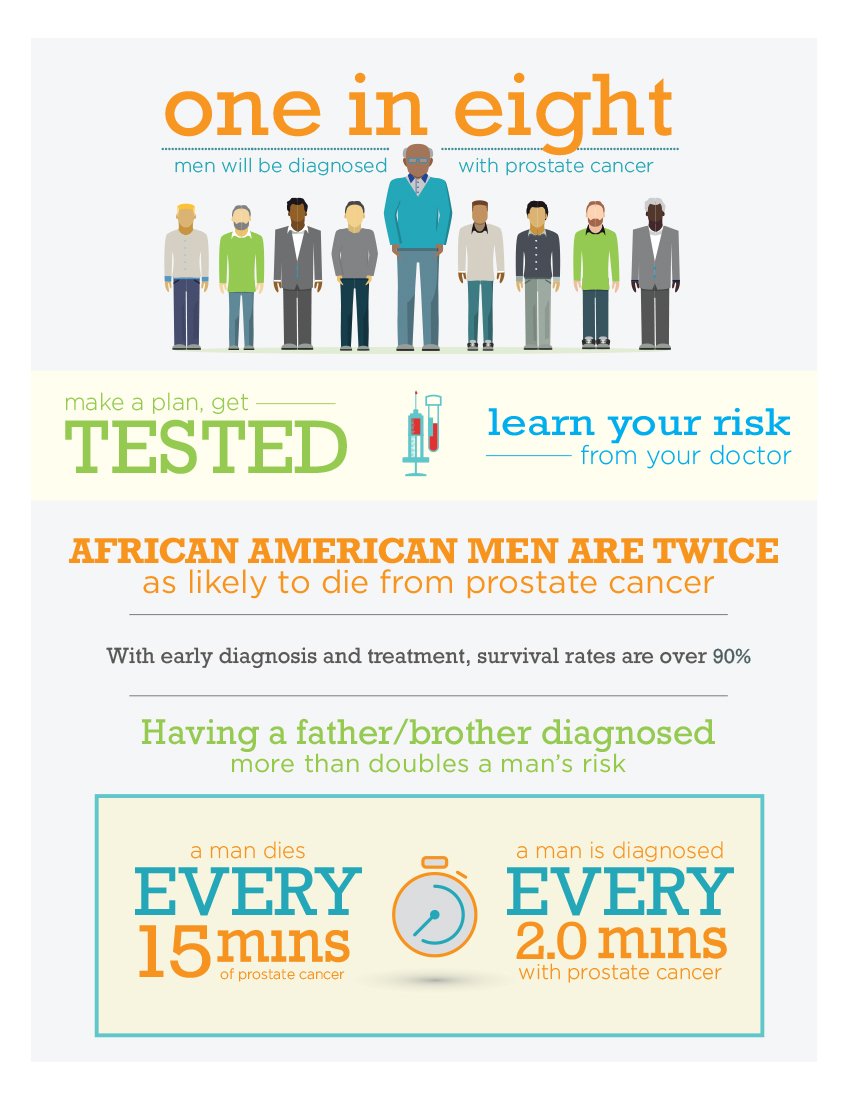
Prostate cancer is the most common cancer in men, with about 1-in-8 expected to be diagnosed in their lifetime.
However, chances of survival are good when it’s caught early. That’s why some in Alabama are pushing for new legislation that would make prostate cancer screening free for high-risk groups.
For David McElhaney, the mission is personal.
“In April, I will be six years cancer-free,” McElhaney said. “So we’re praising god for that.”
He is using his journey with prostate cancer to educate others and work on making screenings more accessible.
“This legislation is to require the insurance companies to start covering these two high-risk groups at age 40,” McElhaney said.
For the last two years, he’s lobbied for new legislation in Montgomery.
With a new legislative session starting next week, he said now is the time to drum up support for the bills that have been pre-filed in both the House and Senate.
“We need a groundswell of people to contact their congressmen, their senators here in the state and promote the need for this,” he said.
SB 19 and HB 40 look to cut out-of-pocket costs for prostate cancer screenings for men in high-risk groups.
The organization Zero Prostate Cancer said men with a first-degree relative diagnosed with prostate cancer have a 2 to 3 times higher risk of developing the disease.
Race also plays a factor, with African American men being two times more likely to die from the disease.
“Ignorance is killing our men simply from not being aware,” Joe Dent said.
Joe Dent is also a Prostate Cancer survivor. He is coming up on 20 years of being cancer-free.
He learned about the screening process at a health lecture at his church. Fortunately, he wasn’t there alone.
“My wife had, fortunately, happened to be there in the same health lecture,” Dent said. “She kind of elbowed me, said, ‘you need to follow up on this,’ she kept on me, and really I’d probably owe my life to her.”
Both men say that the chances of survival with Prostate Cancer can be good when it’s caught early.
They say the screening process is not something to be afraid of.
“The simple task of this is a blood test,” McElhaney said. “All you have to do is go to your family doctor and have them do a PSA test for prostate-specific antigen.”
It's important for each man to talk with his doctor about whether screening is right for him. There are many factors to consider, including age and health. If you’re young and develop prostate cancer, it may shorten your life if it’s not caught early. Those in the medical community who advocate regular screening believe that finding and treating prostate cancer early offers men more treatment options with potentially fewer side effects. Ultimately, decisions about screening should be individualized based on a man's level of risk, overall health, and life expectancy, as well as his desire for eventual treatment if he is diagnosed with prostate cancer.
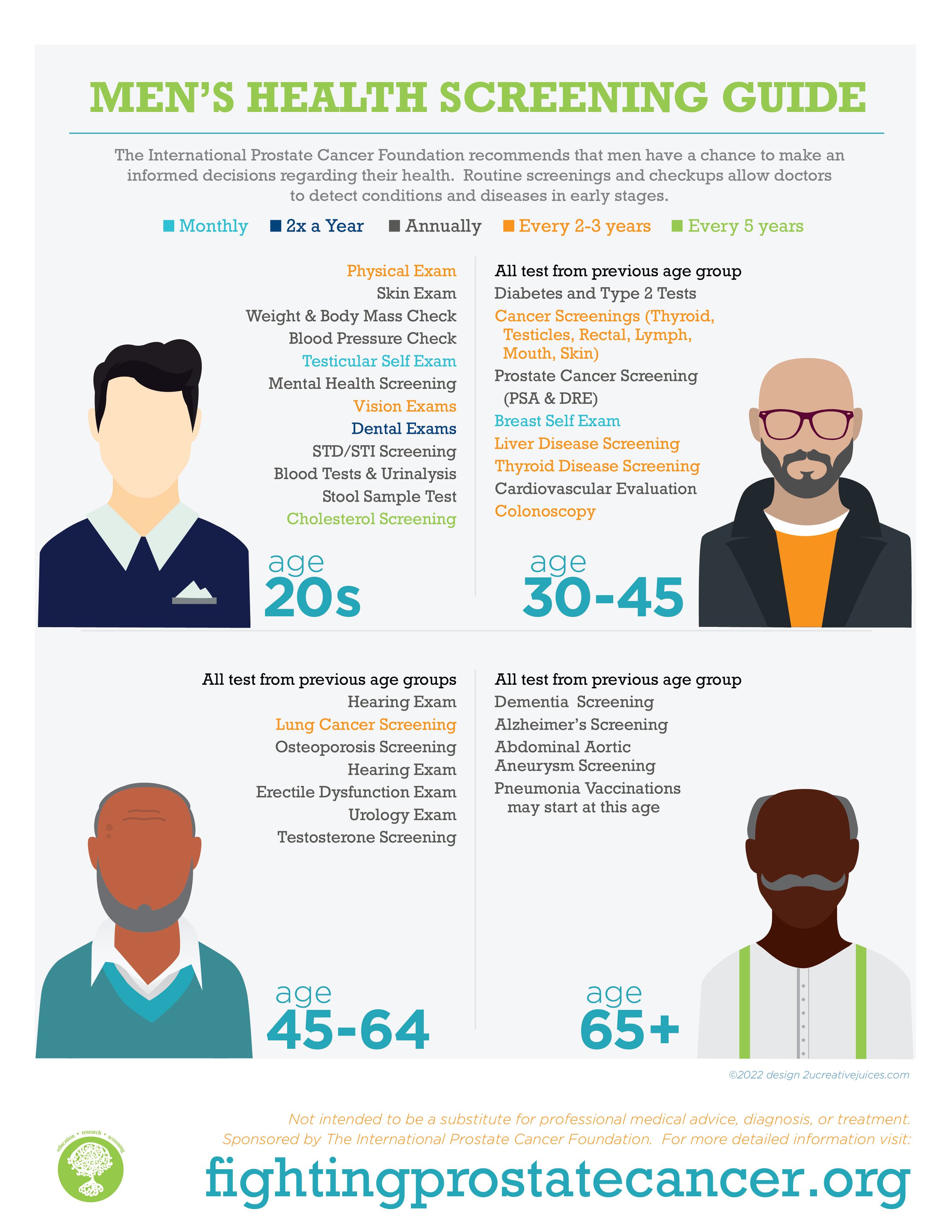
The International Prostate Cancer Foundation recommends that men should determine their risk factors for prostate cancer by the age of 40. Talk to your doctor about the potential benefits, uncertainties and risks of prostate cancer screening based upon the following criteria:
Age 40 — very high risk. Men with more than one first-degree relative — father, brother or son — diagnosed with prostate cancer before age 65.
Age 45 — high risk. Black men and/or those who have one first-degree relative diagnosed with prostate cancer before age 65.
Age 50 — average risk. All men over the age of 50.
Prostate cancer screening should include both the PSA and DRE tests, and should only be offered to men with more than a 10-year life expectancy. These recommendations are adopted based upon the guidance of our IPCF expert panel along with consideration of American Cancer Society recommendations and the American Urological Association (AUA) guidelines.
Prostate cancer screening should include both the PSA and DRE tests, and should only be offered to men with more than a 10-year life expectancy. These recommendations are adopted based upon the guidance of our IPCF expert panel along with consideration of American Cancer Society recommendations and the American Urological Association (AUA) guidelines.